Choose what matters
Ranges, session levels, liquidity, VWAP, moving averages, structure, and confirmations only belong on the chart when your rules use them.
Indicator workspace
Build a cleaner chart around the strategy you actually trade: the levels, sessions, context, state changes, and alerts that support the decision. Keep the settings tied to the strategy version instead of rebuilding the chart from memory.
Decision support, not indicator soup
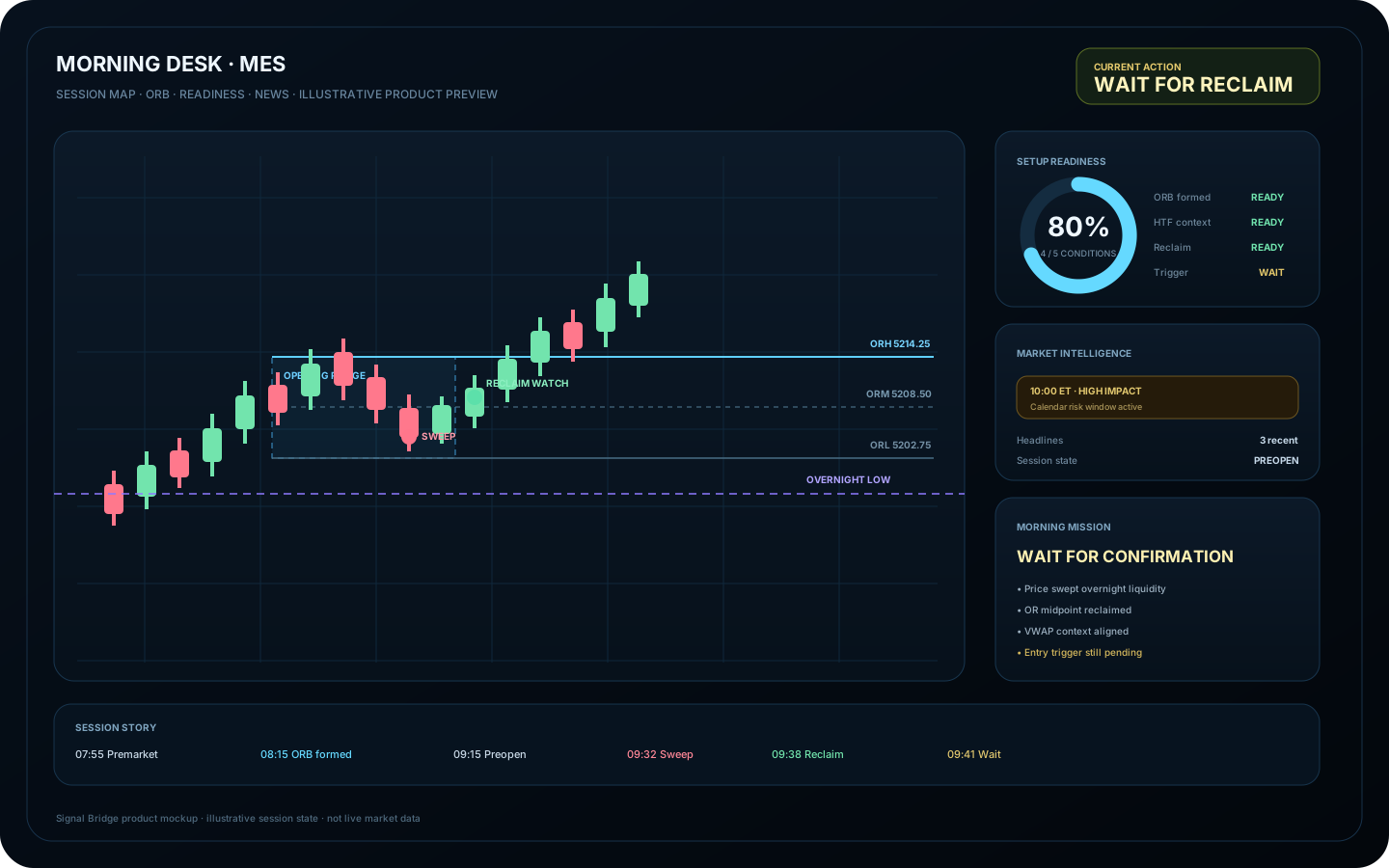
An indicator is useful when every line, zone, marker, and alert has a declared job. Signal Bridge is moving toward a member-owned workspace where the chart configuration stays connected to the strategy it supports.
Ranges, session levels, liquidity, VWAP, moving averages, structure, and confirmations only belong on the chart when your rules use them.
Preserve timeframe, sessions, thresholds, visibility, and alert settings as a versioned preset instead of an undocumented chart layout.
Supported state changes can feed the Live Desk, Discord, journal history, and review so the chart becomes part of the same operating record.
Strategy → chart → record
The goal is not to sell a gallery of somebody else’s Pine scripts. It is to let the member organize chart tools around their own process and keep those tools attached to the version being tested.
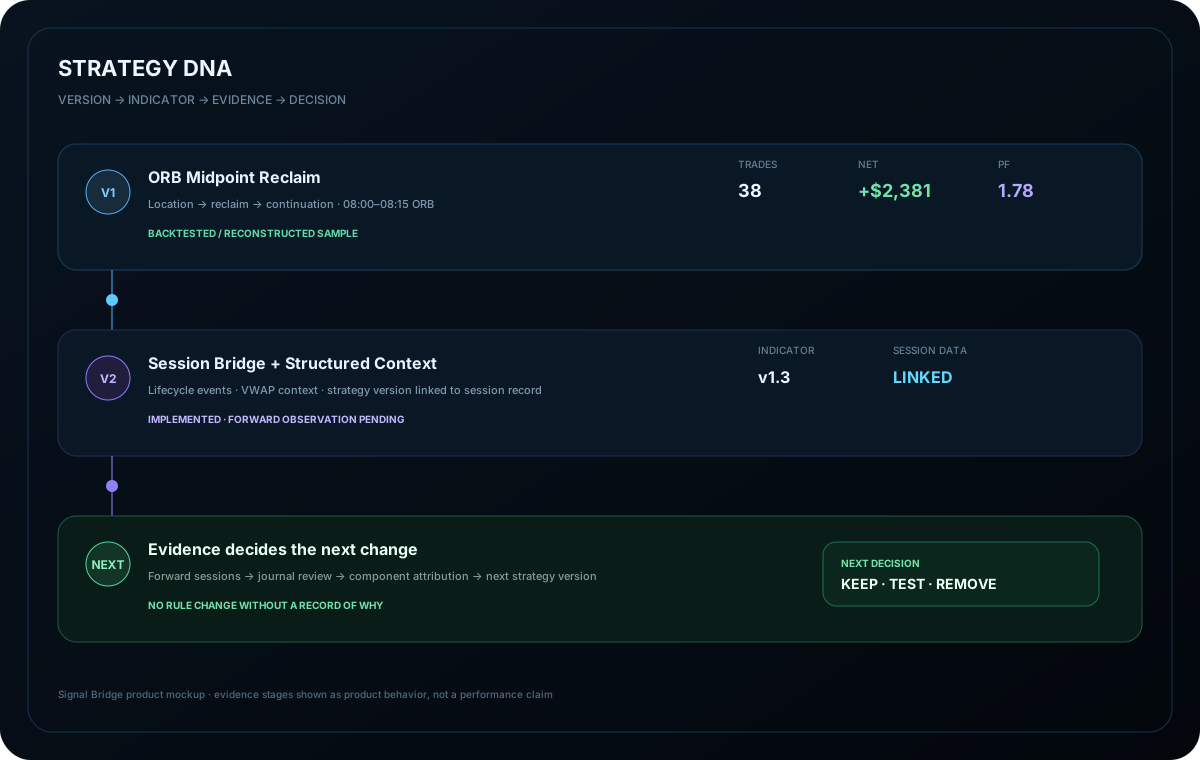
The rules decide what information deserves to be on the chart.
Select the levels, modules, and visual state that support those rules.
Send defined transitions instead of constant noise.
Keep the chart setup attached when the trade or no-trade day is reviewed later.
Current proof case
The current TradingView stack measures the opening range, session state, later retest and trigger sequence, and sends structured lifecycle events into Signal Bridge. That proves the architecture; it is not a requirement that every member trade the same setup.
Current production work uses versioned strategy and indicator identities so chart state, alerts, journal records, and later research can stay attributable.
See Mason’s proving ground →Your chart, your process