
Define
Write down the location, context, trigger, invalidation, target, risk, filters, and reasons to pass.
Strategy DNA
Bring in your market, session, setup, trigger, invalidation, target, filters, and pass conditions. Signal Bridge keeps those rules versioned so your journal and evidence always point back to the strategy you were actually trading.
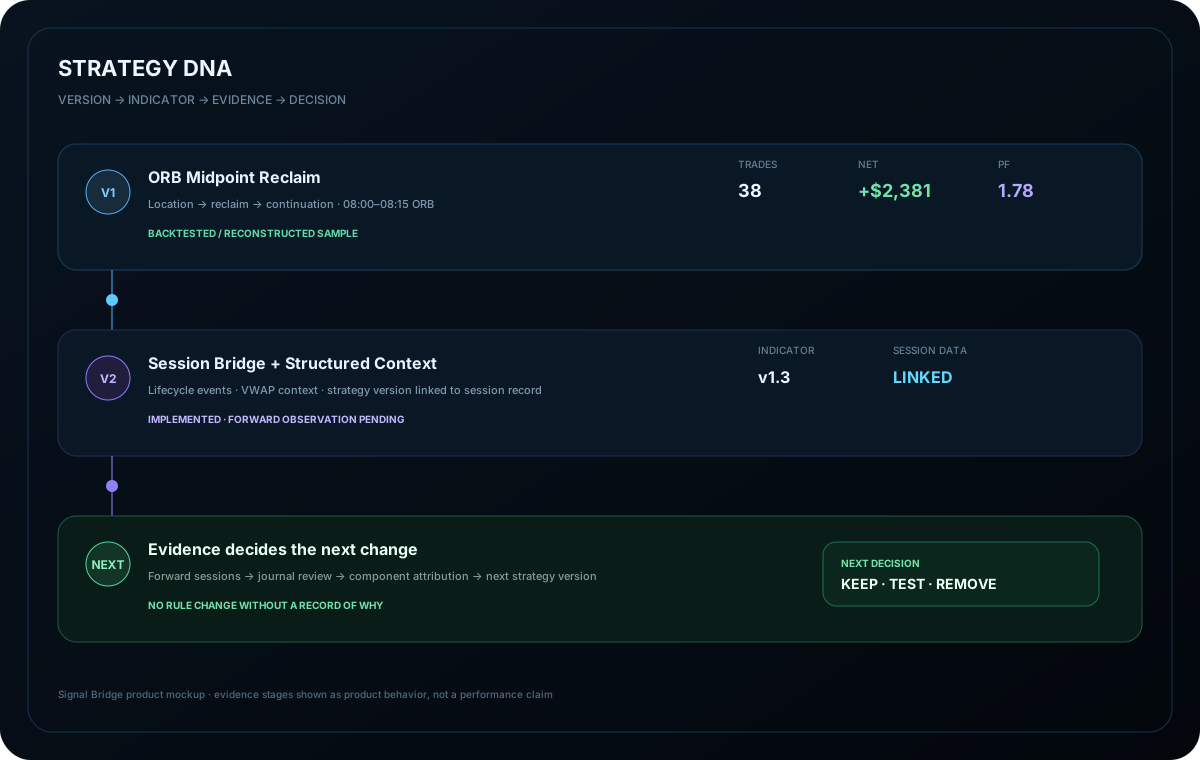
Your process, made explicit
The useful part is not collecting more setups. It is making your own process clear enough that the same rules can guide the chart, the alert, the journal, and the review.
Write down the location, context, trigger, invalidation, target, risk, filters, and reasons to pass.
When a rule changes, create a new version instead of silently rewriting the sample that came before it.
Attach trades, screenshots, no-trade days, and later indicator settings to the exact strategy version they came from.
One operating loop
The member workflow is designed so strategy development does not live in one document while the chart, alerts, and journal tell a different story.
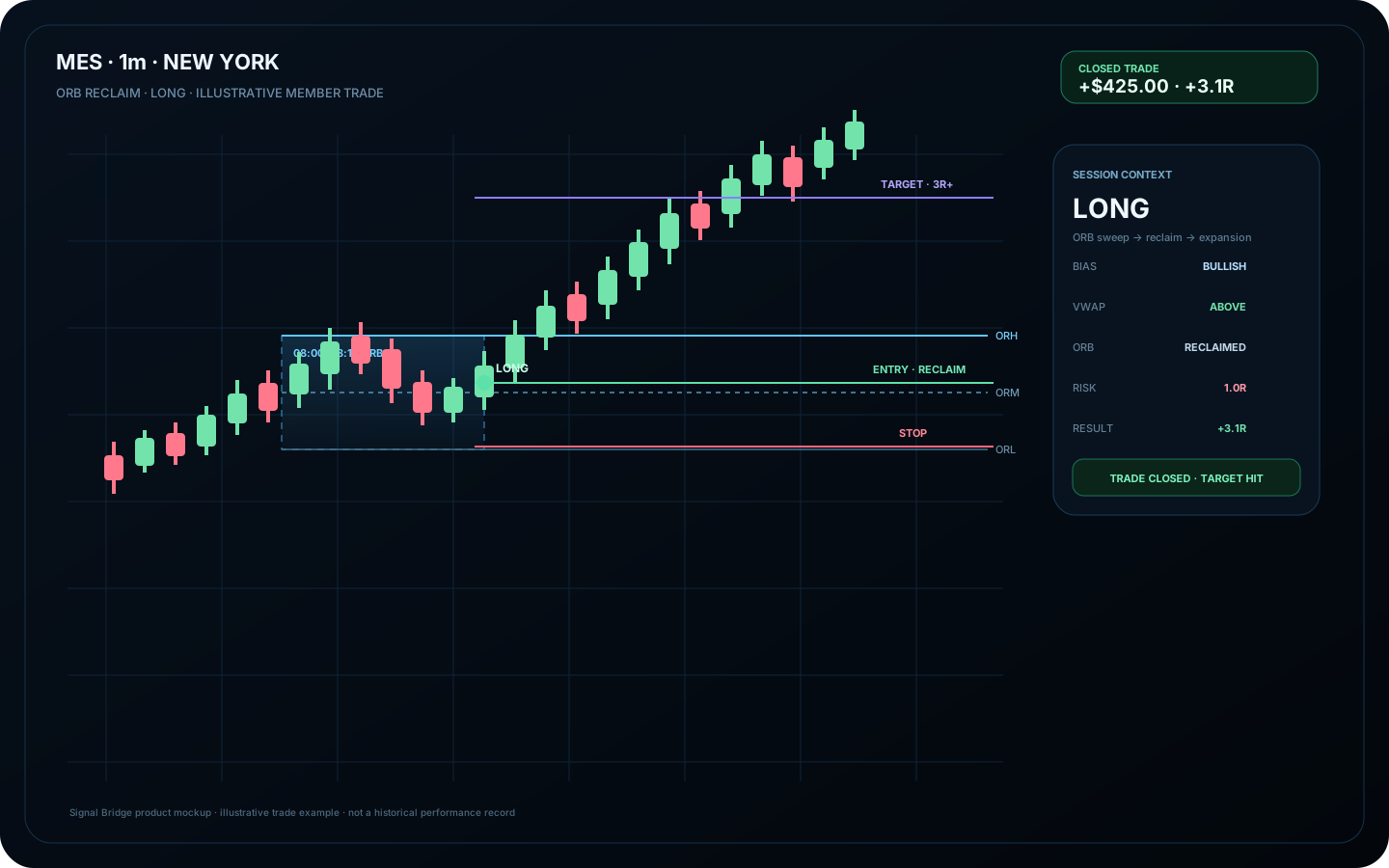
Create the strategy identity and the conditions that matter.
Use the same rules during the session instead of changing them after the outcome.
Keep the result, note, screenshot, and session context attached to the record as the connected workflow expands.
Look for repeated strengths, flaws, and rule changes without confusing one winner with proof.
The framework
Different traders can use different markets and setups while still organizing the decision the same way. Signal Bridge is built around your definitions, not a requirement to copy Mason ORB.
Mason ORB is the first real process being used to prove the full loop: defined rules, chart state, lifecycle alerts, journal evidence, Decision Review, and version history.
See the proving ground →Build your own operating record